

When a website is not bringing in enough customers, the first idea is often “we need a new website”. Sometimes that is true. More often, a handful of pages and steps are losing most of the revenue, and fixing those would pay off faster, for a fraction of the cost and risk.
This is the question we answer in every audit, and the way we answer it.
Why a redesign is not automatically the answer
- It takes longer. Months of design and build before you learn anything from real visitors.
- It resets what already works. Pages that rank, copy that converts and flows people know can be lost along the way.
- It mixes many changes into one. If results go up or down afterwards, it is hard to know why.
- It is easy to optimize for taste, not for customers. A redesign judged in a meeting room is not the same as one judged by buyers.
Signs that fixing is the better move
- Most traffic and revenue go through a few pages (homepage, key product or service pages, pricing, checkout).
- Visitors arrive but drop off at a specific step you can point to in your analytics.
- The brand and design still represent the business well, even if parts feel dated.
- The platform does what you need. The problem is what is on the pages, not what they run on.
In these cases we rank the problems by expected revenue impact and fix the biggest first: usually the first screen, the key product or service page, trust signals and the path to checkout or contact. On one home repair service, a homepage redesign focused on these areas lifted monthly form opt-ins by 36%. That was one page, not a new site.
Signs that a redesign is worth it
- The brand has changed (new positioning, new audience, new offer) and the site no longer tells the right story.
- The site cannot be edited without a developer, so it never improves.
- It is slow or broken on mobile at a structural level, not just a few heavy images.
- The platform is holding you back: you cannot add the pages, products or integrations you need.
- The design is so inconsistent that patching it would cost almost as much as rebuilding.
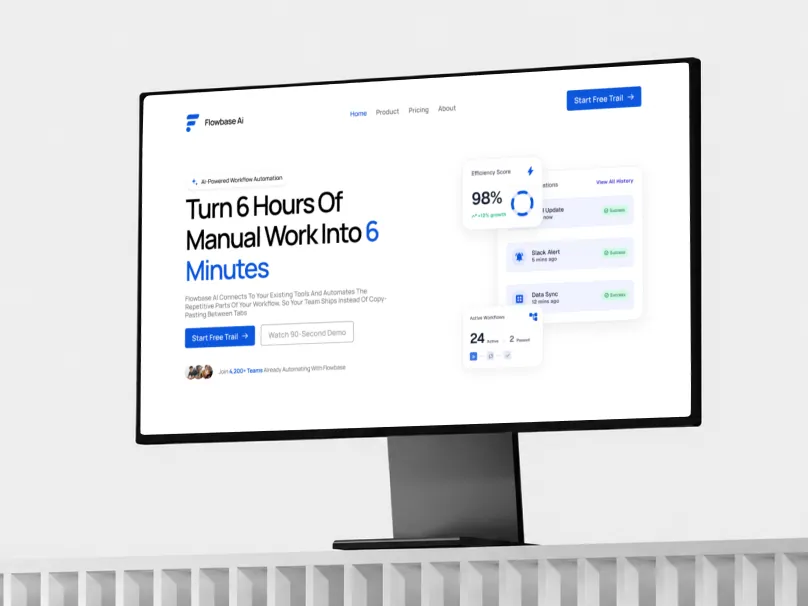
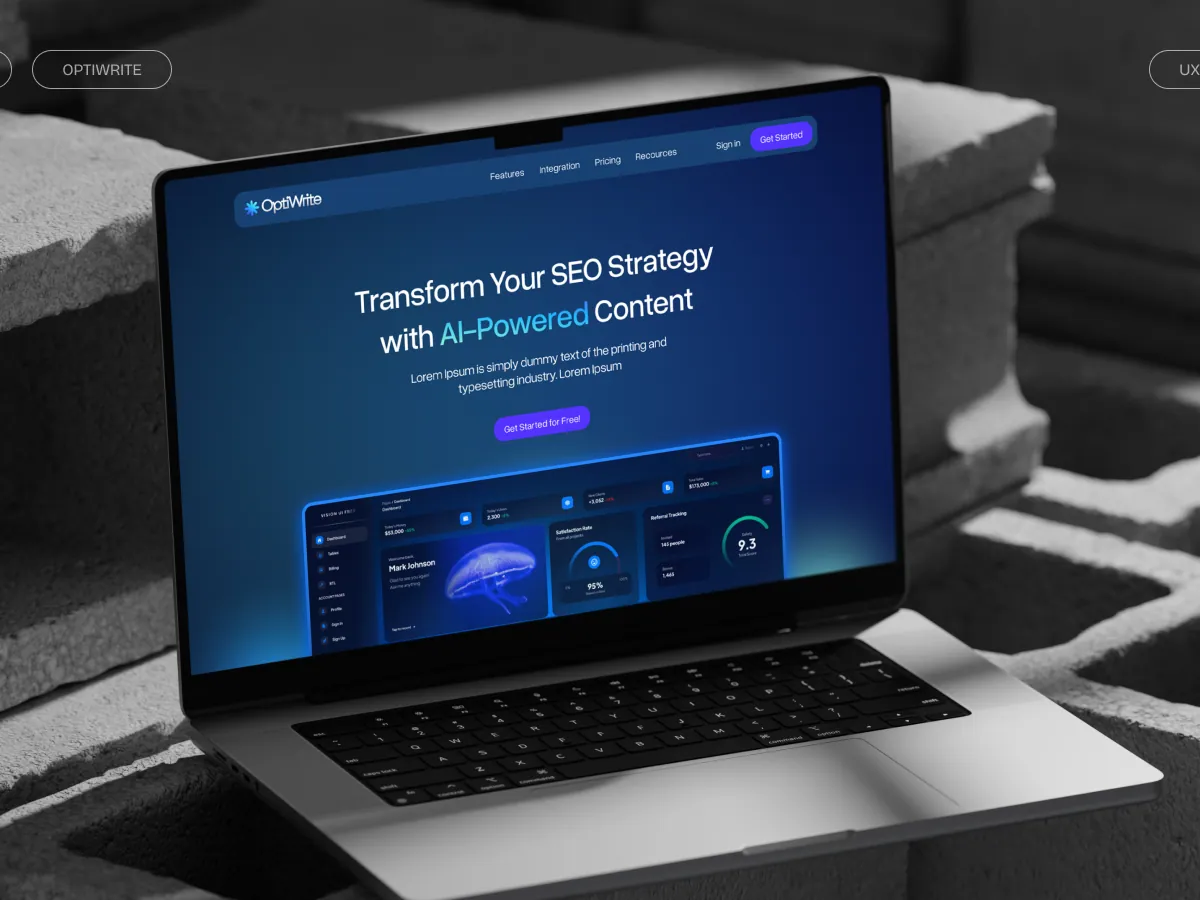
When a rebuild is the right call, we still start from the audit. The new site keeps what was working and is designed around the gaps we found, so the redesign is aimed at conversions from day one. For a newly launched B2B SaaS product, for example, there was no site worth keeping, so we designed and built the whole thing in Framer.
How we make the call
Every engagement starts with an audit of the pages your customers actually see. We look at analytics where it exists, walk the journey on desktop and mobile, and list every issue with the fix and its expected impact. Then we recommend the smallest change that gets the biggest result, whether that is three fixes or a full rebuild.
If you are not sure which camp you are in, our free conversion audit gives you the biggest leaks on your key page, ranked by impact, with no call required.